Your cart is currently empty!
What Cities Get Wrong About Trees
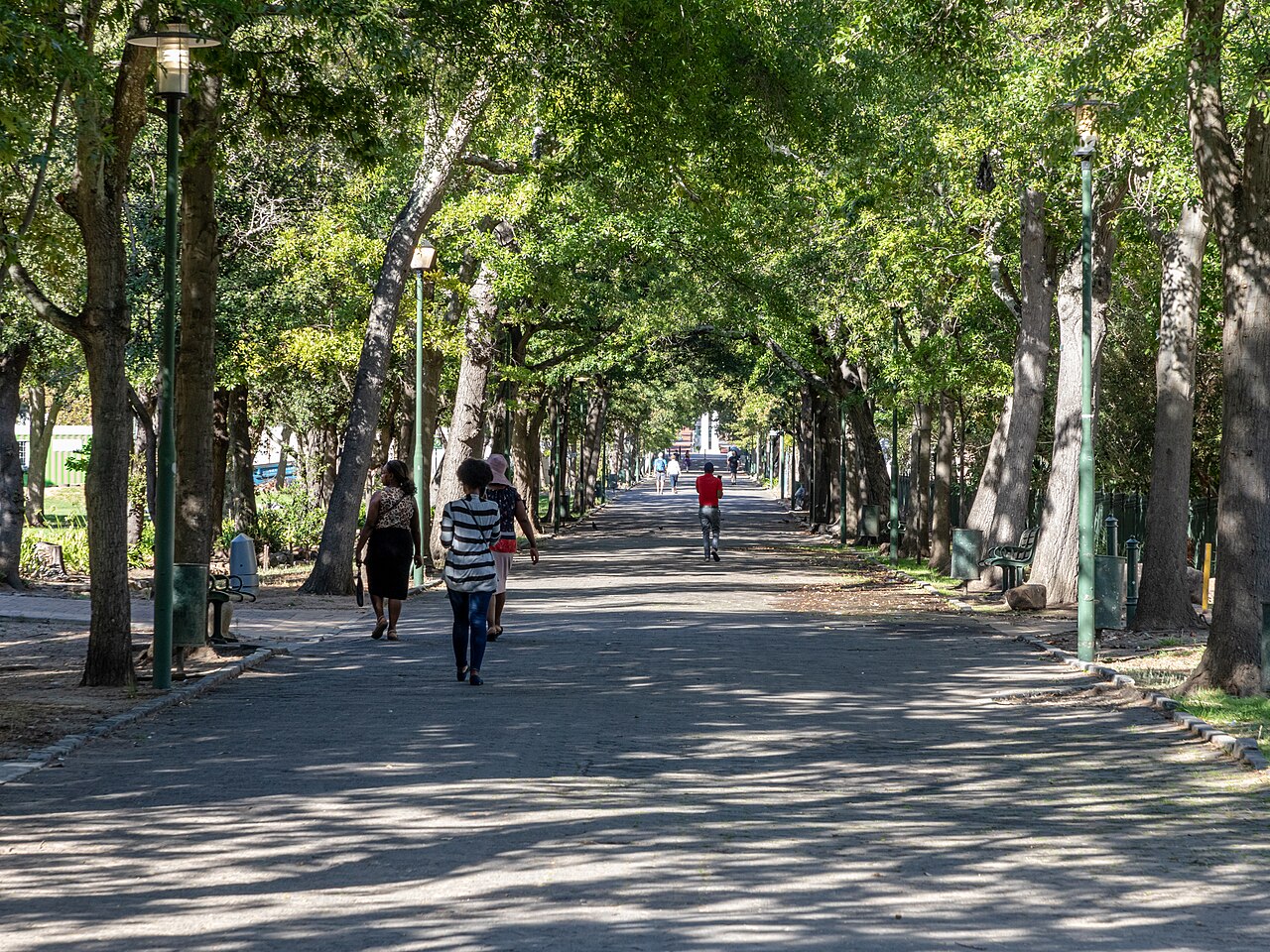
Cities plant millions of trees a year and lose almost as many, and the reason is rarely a mystery: urban forestry budgets celebrate planting and neglect everything that comes after.
A street tree’s first three summers decide its fate. Young trees in compacted, salted, bottle-strewn soil need watering, mulching and pruning — unglamorous work that does not photograph well at ribbon cuttings. Studies of municipal programs repeatedly find that shifting even a modest slice of the planting budget to maintenance doubles survival rates.
Species choice matters just as much. Monoculture avenues look tidy and die together, as Dutch elm disease proved a century ago and emerald ash borer proved again. Diverse plantings are messier on paper and vastly more resilient in practice.
The payoff for getting it right is enormous. A mature canopy cools streets by several degrees during heat waves, intercepts stormwater, filters particulates and measurably lowers summer energy bills. Economists studying property records find tree-lined streets carry a price premium — the rare public investment visible in both thermometers and tax rolls.
The fix is not complicated: plant fewer trees, care for them longer, diversify species, and measure canopy instead of counting saplings. Cities that made that switch now shade their residents with forests their neighbors are still promising.
Leave a Reply