Your cart is currently empty!
Why Sourdough Refuses to Die
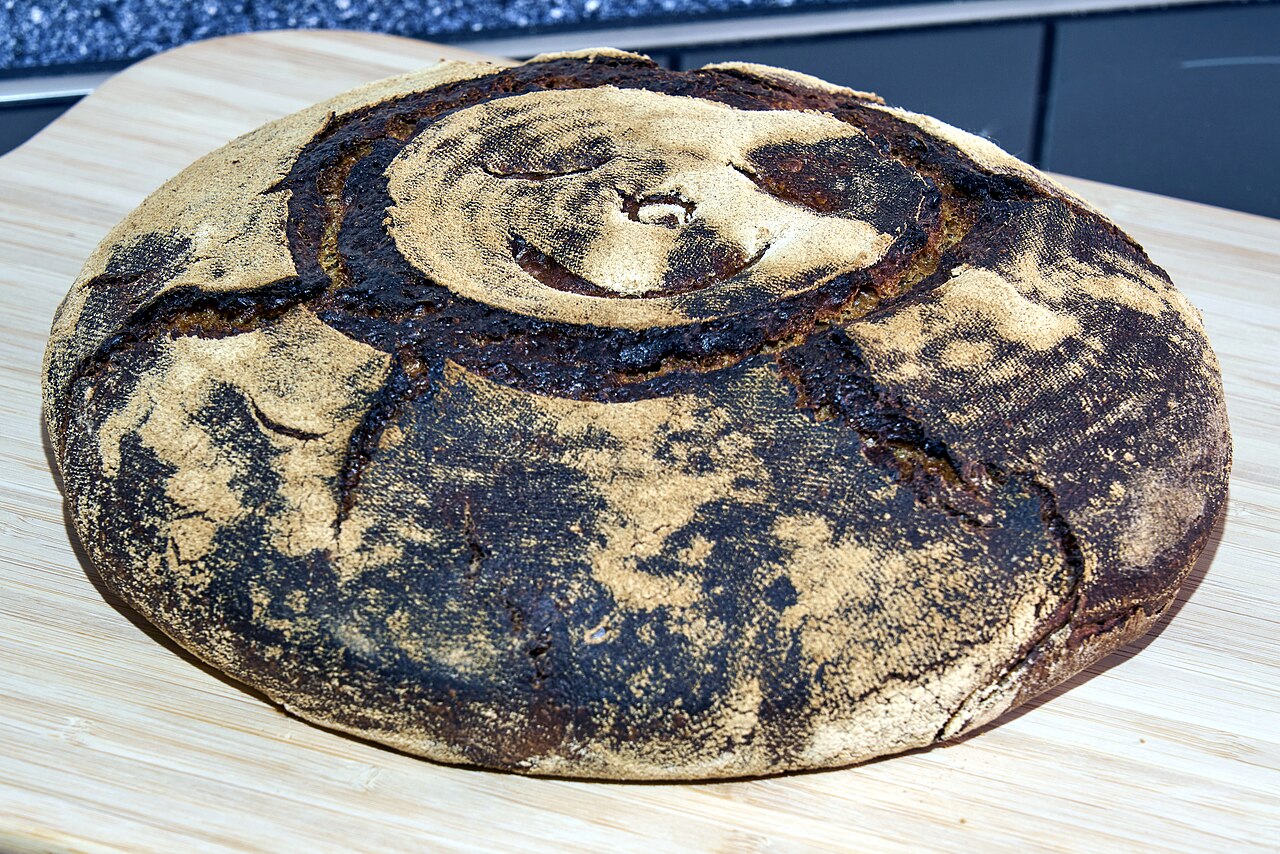
Every food trend has a shelf life — except, it seems, sourdough. Years after the great home-baking boom, flour mills still report elevated demand for bread flour, and starter jars still bubble on kitchen counters around the world.
Part of the persistence is chemistry. Sourdough is not one recipe but a living system: wild yeast and lactic acid bacteria in slow negotiation. That acidity does real work — it slows staling, deepens flavor, and breaks down compounds that make industrial bread hard to digest for some people. Studies consistently show sourdough fermentation lowers the bread’s glycemic response compared with fast-yeasted equivalents.
Part of it is psychology. A starter demands a small, daily act of care. In an era of instant everything, feeding a jar of flour and water is a ritual with a visible payoff. Bakers describe it in the language people usually reserve for pets.
And part of it is economics. A loaf of artisan bread costs several times the price of its ingredients. Once someone learns to produce bakery-quality bread for pocket change, they rarely go back.
The lesson for anyone watching consumer trends: habits built on ritual, health and savings at the same time do not fade when the hashtag does. Sourdough was never a trend. It was a four-thousand-year-old technology that briefly went viral.
Leave a Reply