Your cart is currently empty!
Blog
-

Why Your Weather App Is Wrong About Rain
The forecast said 30 percent chance of rain, it poured all afternoon, and you concluded the app is useless. The app, however, was probably right — and understanding why says a lot about how we misread probabilities.
A 30 percent chance of rain does not mean light rain, or rain for 30 percent of the day. It typically means that in 30 percent of situations exactly like this one, measurable rain fell at your location. Forecasters verify these numbers relentlessly: when major services say 30 percent, it rains almost exactly three times out of ten. The forecast is calibrated; our intuition is not.
The bigger problem is resolution. Summer storms can drench one neighborhood and skip the next, while an app shows a single icon for an entire city. That icon compresses a complex probability field into a cartoon sun peeking behind a cloud — and the compression, not the science, is what fails.
Meteorology has quietly become one of the great prediction success stories: a modern five-day forecast is as accurate as a one-day forecast was in 1980, thanks to satellites, ensemble models and vast computation.
The practical fix is simple. Check the hourly probability curve and the radar, not the daily icon. And when the app says 30 percent and you get soaked, remember: improbable is not the same as impossible — it is just Tuesday, three times out of ten.
-
The Strange Economics of Board Games
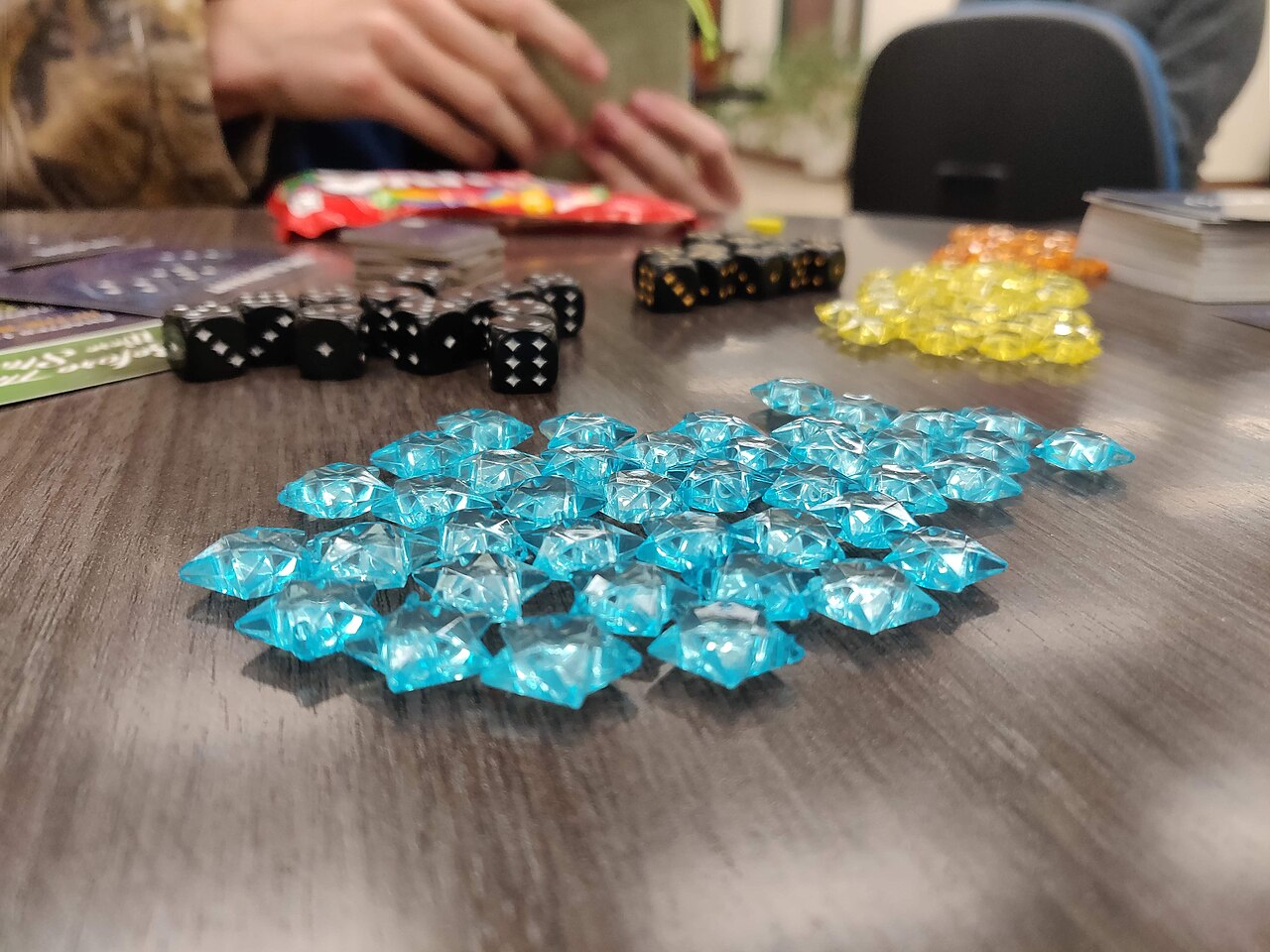
In a world of infinite free entertainment, people are paying sixty dollars for cardboard — and the board game industry keeps growing. It has now logged more than a decade of near-continuous expansion, defying every prediction that screens would finish it off.
The economics are stranger than they look. A modern board game is expensive to design well: hundreds of playtests, custom art, precision manufacturing. Yet the product is infinitely reusable, needs no servers, collects no subscription. On a cost-per-hour basis, a good game beats almost any other paid entertainment.
Crowdfunding rewired the business. Designers now sell directly to their most devoted audience before printing a single box, turning inventory risk into pre-paid demand. Some campaigns raise millions for games that traditional publishers would have judged too niche.
But the real product is not cardboard. It is a socially acceptable reason to sit at a table with other humans for two hours with phones face-down. Cafes built on that premise now operate in most major cities, charging admission to play games their customers could buy — because the scarce resource is the gathering, not the game.
Digital entertainment optimized for engagement; board games optimized for presence. It turns out presence has a market, and it is bigger every year.
-

What Cities Get Wrong About Trees
Cities plant millions of trees a year and lose almost as many, and the reason is rarely a mystery: urban forestry budgets celebrate planting and neglect everything that comes after.
A street tree’s first three summers decide its fate. Young trees in compacted, salted, bottle-strewn soil need watering, mulching and pruning — unglamorous work that does not photograph well at ribbon cuttings. Studies of municipal programs repeatedly find that shifting even a modest slice of the planting budget to maintenance doubles survival rates.
Species choice matters just as much. Monoculture avenues look tidy and die together, as Dutch elm disease proved a century ago and emerald ash borer proved again. Diverse plantings are messier on paper and vastly more resilient in practice.
The payoff for getting it right is enormous. A mature canopy cools streets by several degrees during heat waves, intercepts stormwater, filters particulates and measurably lowers summer energy bills. Economists studying property records find tree-lined streets carry a price premium — the rare public investment visible in both thermometers and tax rolls.
The fix is not complicated: plant fewer trees, care for them longer, diversify species, and measure canopy instead of counting saplings. Cities that made that switch now shade their residents with forests their neighbors are still promising.
-

The 20-Minute Rule That Beats Most Productivity Systems
Productivity culture produces new systems faster than anyone can adopt them: time blocking, bullet journals, second brains. Yet ask people who reliably finish hard things, and a simpler pattern appears — most of them use some version of the 20-minute rule.
The rule: commit to twenty minutes, not to finishing. Set a timer, start the task you have been avoiding, and give yourself explicit permission to stop when the timer rings.
It works because it attacks the real enemy. Procrastination is rarely about laziness; it is about the discomfort of starting. Behavioral researchers call it task aversion, and it inflates the imagined cost of a task far beyond its real cost. Twenty minutes is small enough that the brain stops negotiating.
Then a second mechanism kicks in. Once started, unfinished tasks generate their own psychological pull — the Zeigarnik effect. Most people blow straight through the timer, not because they must, but because stopping mid-flow now feels worse than continuing.
The rule also produces honest data. If you genuinely stop after twenty minutes, day after day, on the same task, that is information: the task may be wrong, oversized, or not yours to do.
No app required, no notebook, no system to maintain. Just a timer and a slightly lower bar for what counts as a start. It is the rare productivity trick that survives contact with real life.
-
Why Sourdough Refuses to Die
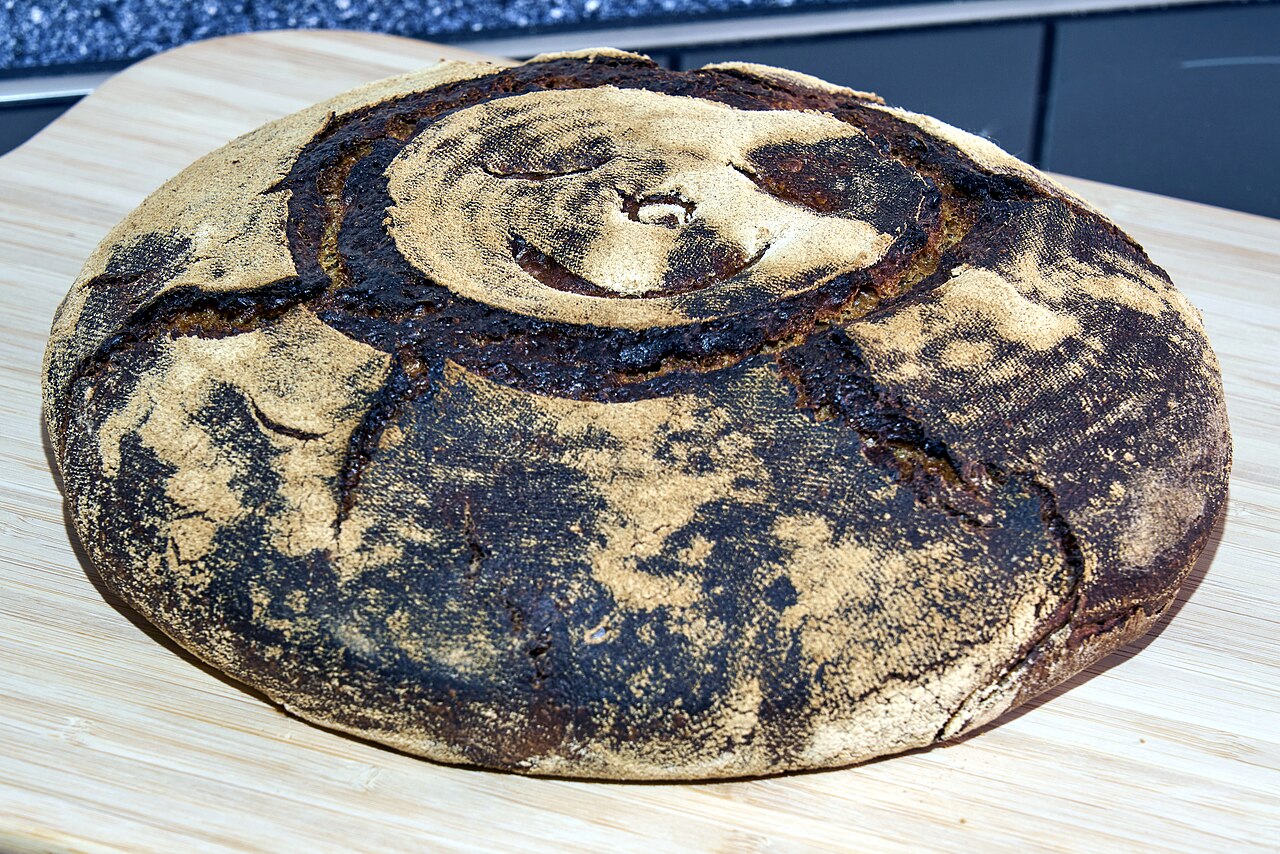
Every food trend has a shelf life — except, it seems, sourdough. Years after the great home-baking boom, flour mills still report elevated demand for bread flour, and starter jars still bubble on kitchen counters around the world.
Part of the persistence is chemistry. Sourdough is not one recipe but a living system: wild yeast and lactic acid bacteria in slow negotiation. That acidity does real work — it slows staling, deepens flavor, and breaks down compounds that make industrial bread hard to digest for some people. Studies consistently show sourdough fermentation lowers the bread’s glycemic response compared with fast-yeasted equivalents.
Part of it is psychology. A starter demands a small, daily act of care. In an era of instant everything, feeding a jar of flour and water is a ritual with a visible payoff. Bakers describe it in the language people usually reserve for pets.
And part of it is economics. A loaf of artisan bread costs several times the price of its ingredients. Once someone learns to produce bakery-quality bread for pocket change, they rarely go back.
The lesson for anyone watching consumer trends: habits built on ritual, health and savings at the same time do not fade when the hashtag does. Sourdough was never a trend. It was a four-thousand-year-old technology that briefly went viral.
-
The Quiet Comeback of Paper Maps
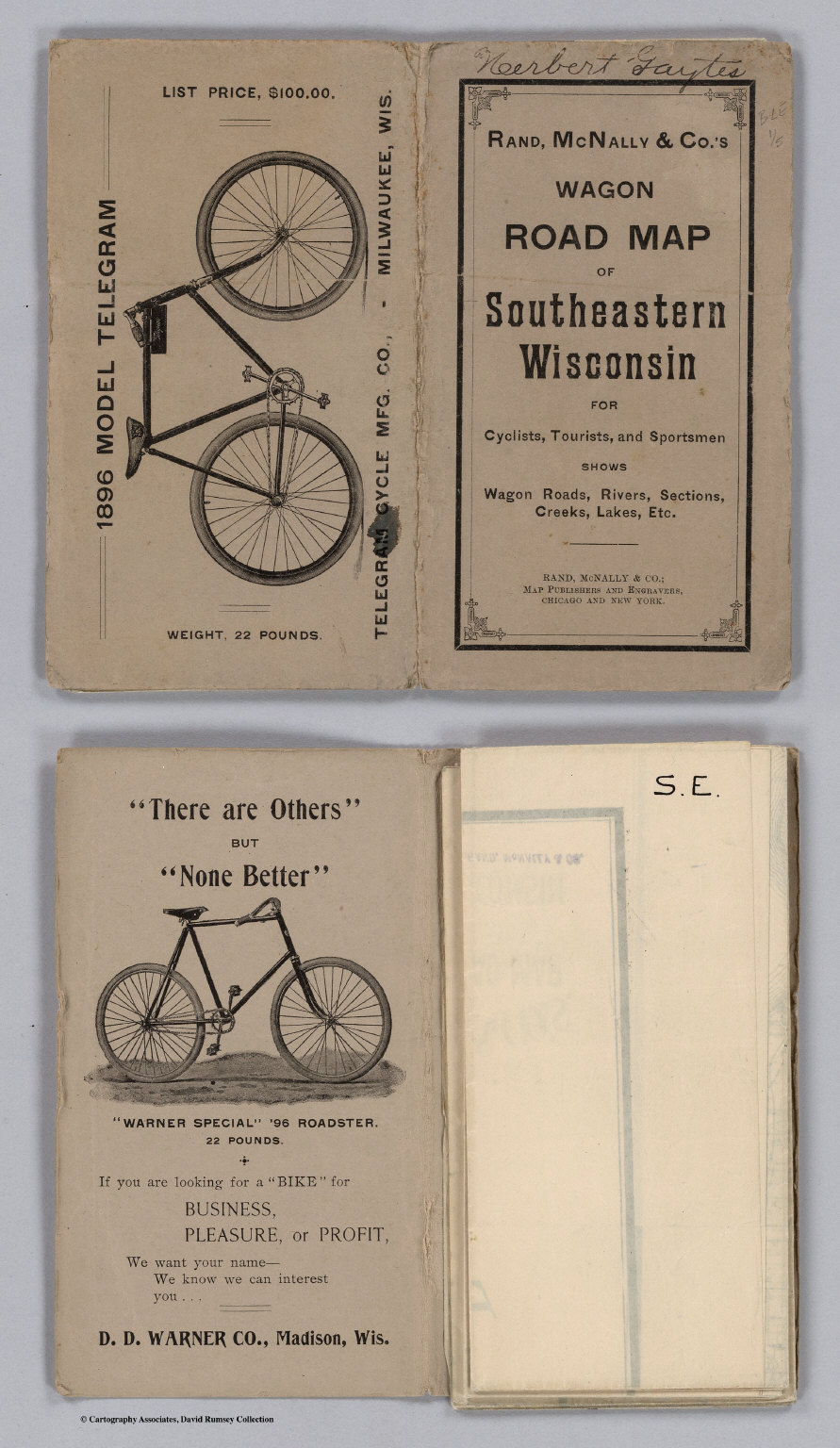
Somewhere between the third rerouted turn and a dead phone battery on a mountain pass, many travelers rediscover an old friend: the paper map. Sales of printed road atlases have climbed steadily for five years, and it is not nostalgia alone driving the trend.
A paper map never loses signal, never reroutes you through a toll road to save ninety seconds, and never dies at 4 percent battery. But the deeper appeal is cognitive. Researchers who study spatial memory have found that people who navigate with paper maps build stronger mental models of the places they visit. The map forces you to locate yourself, to plan, to notice the shape of a coastline or the fold of a valley.
Digital navigation optimizes the journey; paper navigation teaches the territory. Hikers know this instinctively — no serious mountaineer relies on a phone alone. National park services report that visitors who carry printed maps require rescue less often per capita than phone-only navigators, largely because they notice sooner when something feels wrong.
There is also the souvenir factor. A creased, coffee-stained map of a road trip is an artifact. A search history is not. Cartography publishers have leaned into this, printing maps designed to be annotated, stamped and framed.
None of this means turn-by-turn navigation is going away. But the next time you plan a trip, consider packing both. The phone will get you there; the map will help you remember why you went.