Your cart is currently empty!
Category: travel
-
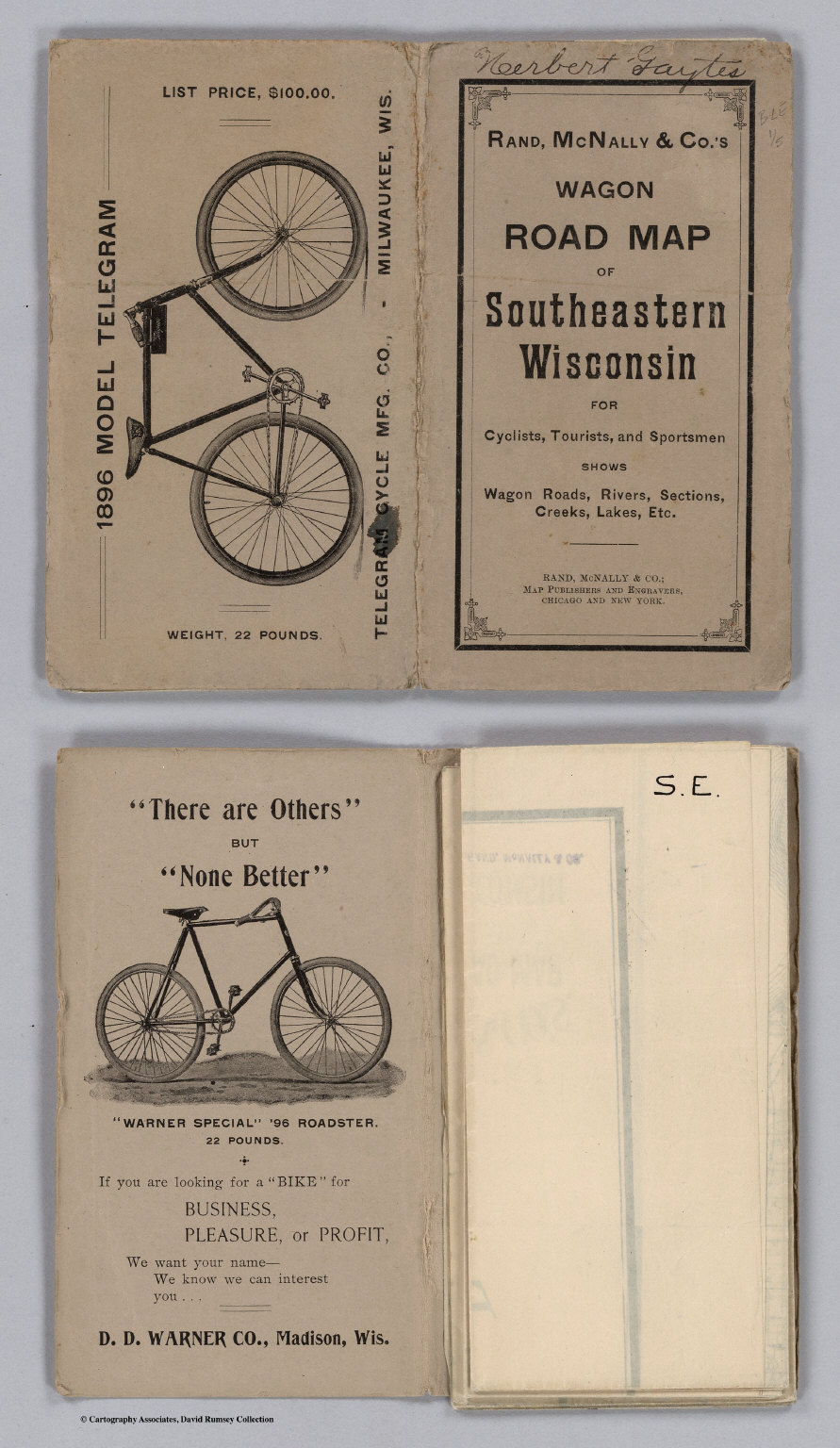
The Quiet Comeback of Paper Maps
Somewhere between the third rerouted turn and a dead phone battery on a mountain pass, many travelers rediscover an old friend: the paper map. Sales of printed road atlases have climbed steadily for five years, and it is not nostalgia alone driving the trend.
A paper map never loses signal, never reroutes you through a toll road to save ninety seconds, and never dies at 4 percent battery. But the deeper appeal is cognitive. Researchers who study spatial memory have found that people who navigate with paper maps build stronger mental models of the places they visit. The map forces you to locate yourself, to plan, to notice the shape of a coastline or the fold of a valley.
Digital navigation optimizes the journey; paper navigation teaches the territory. Hikers know this instinctively — no serious mountaineer relies on a phone alone. National park services report that visitors who carry printed maps require rescue less often per capita than phone-only navigators, largely because they notice sooner when something feels wrong.
There is also the souvenir factor. A creased, coffee-stained map of a road trip is an artifact. A search history is not. Cartography publishers have leaned into this, printing maps designed to be annotated, stamped and framed.
None of this means turn-by-turn navigation is going away. But the next time you plan a trip, consider packing both. The phone will get you there; the map will help you remember why you went.